Too Hip to Hop Embroidery Files
A Designer’s First Look: Playful, Punchy, and Purpose-Built for Easter Cheer
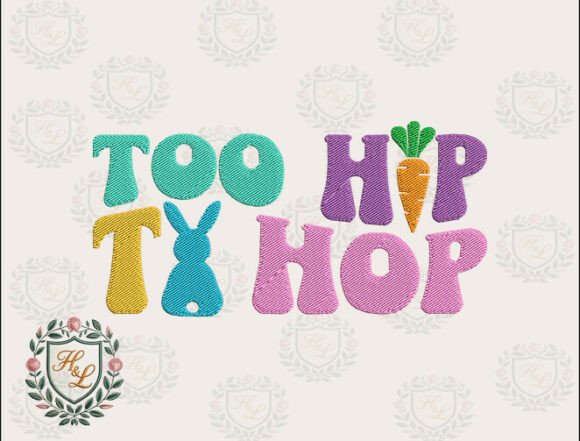
Opening Too Hip to Hop Embroidery Files, I immediately felt the energy — not just Easter whimsy, but confident, contemporary charm. This isn’t a timid bunny or a pastel cliché. It’s bold in silhouette, clever in proportion, and unmistakably designed for real-world stitching. As someone who’s digitized and stitched hundreds of holiday-themed machine embroidery designs, I appreciate how rare it is to find an appliqué design that balances personality with practicality. The layout feels intentional: clean negative space around key elements, generous satin-stitch borders where needed, and no overcrowded fill-stitch zones that risk puffing or bleeding on lightweight fabric.
Real-World Test: A Custom Tote Bag for a Local Boutique
Last week, I used Too Hip to Hop Embroidery Files on a natural canvas tote for a small-town Easter pop-up shop. The goal? A standout piece that felt handmade but polished — something customers would carry proudly, not stash in a closet. I chose a medium-weight cotton canvas, paired it with tear-away stabilizer (plus light cutaway backing for durability), and ran the design at 5.5" wide. The result? Crisp edges, smooth satin-stitch curves on the ears and bow, and zero thread nesting. What stood out most was how the design scaled — it didn’t shrink into insignificance on the tote’s broad surface, nor did it overwhelm. That’s not luck. That’s thoughtful digitizing.
Where It Shines — And Where It Asks for Thoughtful Execution
Too Hip to Hop Embroidery Files excels on stable, medium-to-heavy fabrics: sweatshirt fleece, twill aprons, linen pillow covers, and structured tea towels. It holds up beautifully on custom apparel like crewneck sweatshirts — the stitch density supports coverage without stiffness, and the appliqué base gives dimension without bulk. For baby embroidery? Yes — but stick to onesies with firm stabilizer and avoid high-wear seams. As an embroidered patch? Absolutely. Trim cleanly, fuse lightly, and it becomes a reusable brand asset for craft fairs or Etsy listings.
That said, proceed with care on stretchy knits (like jersey tees) unless you’re using proper cutaway + topping combo. On dark fabric, test your thread colors first — the design relies on contrast for its “hip” attitude, so a pale yellow satin stitch over navy needs careful thread selection. Tiny corners (like the tip of the bunny’s foot or inner bow curve) benefit from slowing your machine down slightly. And while it’s lovely on curved surfaces like caps, confirm your hoop size accommodates the full shape — don’t force a 6" design into a 4" frame.
Why It Builds Trust — Not Just Cuteness
As a designer who sells digital embroidery files and finished handmade products, I judge every design by how it affects perceived value. Too Hip to Hop Embroidery Files elevates a simple tote bag into a curated gift. Customers notice the precision — the evenness of the satin stitch, the clean jump stitches between elements, the way the appliqué fabric lies flat. That polish translates directly to buyer confidence. When someone pays for a personalized gift or boutique merchandise, they’re buying craftsmanship *and* intention. This design delivers both. It doesn’t scream “mass-produced clip art.” It says, “This was chosen, tested, and stitched with care.”
Practical Notes Every Designer & Seller Should Run Through
- Always test first: Stitch Too Hip to Hop Embroidery Files on scrap fabric matching your final project’s weight and weave — especially if using textured fabric or layered garments.
- Check thread color contrast: Print a black-and-white mockup to assess value balance before committing to final thread choices.
- Review stitch density: Dense fill areas hold up well on home décor, but may soften faster on frequently washed baby items — consider simplifying or reinforcing if needed.
- Confirm hoop size compatibility: Know your machine’s max dimensions and match them to the file’s actual stitched width/height — don’t assume “medium” means the same across vendors.
- Inspect small details: Zoom in on the digital preview — look for stray running stitches, tight corners, or overly narrow satin columns that could break on delicate fabrics.
- Validate commercial use: Before listing finished products or reselling the digital embroidery file, verify licensing terms — many Easter-themed appliqué designs restrict resale of the file itself, even if finished product use is allowed.
Final Thoughts: A Design That Works as Hard as You Do
Too Hip to Hop Embroidery Files isn’t just another Easter embroidery file. It’s a reliable, expressive tool — one that supports your craft business, strengthens your brand voice, and makes your handmade product feel intentional and joyful. Whether you’re prepping for Easter markets, building a seasonal Etsy collection, or stitching personalized gifts for friends, this design earns its place in your library because it performs consistently, looks professional straight off the hoop, and invites engagement — not just recognition. It’s playful without being childish, festive without feeling dated, and detailed without demanding perfectionism. In short: it’s the kind of embroidery file that makes your work look easier than it is — and that’s the highest compliment I can give.