Christmas Teddy Bear Embroidery PNG
First Impression: Warm, Whimsical, and Instantly Recognizable
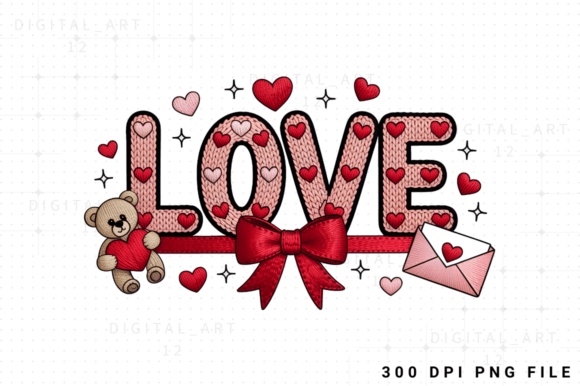
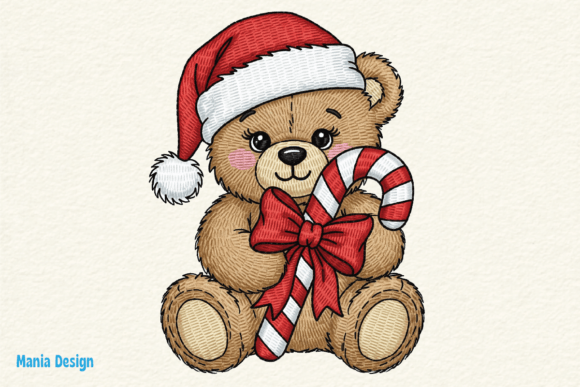
As an embroidery designer who’s prepped over 200 craft fair booths—from snowy Vermont markets to sun-drenched California pop-ups—I opened Christmas Teddy Bear Embroidery PNG expecting charm. What I got was more: a soft-focus festive energy that lands right between nostalgic and fresh. The title alone signals warmth and approachability—no stiff Santas or glitter bombs here. “Cute Teddy Bear” paired with “cozy season” tells me this isn’t just decoration; it’s emotional shorthand for comfort, childhood nostalgia, and handmade care. Visually? It reads as gentle farmhouse-meets-modern-minimal—rounded shapes, no aggressive edges, and that “Faux E” hint (likely faux fur or embossed texture) suggests dimensionality even in flat PNG form. That matters—because at a craft fair, your design has under three seconds to earn a pause.
Where It Shines: From Booth Table to Buyer’s Basket
This Christmas Teddy Bear Embroidery PNG thrives on tactile, giftable items—not just T-Shirt Designs. On a sturdy cotton tote bag? Perfect. Centered above the pocket, it reads clearly from six feet away and invites touch. On a linen apron? It balances utility and sweetness without overwhelming the wearer’s movement. Tea towel embroidery? Yes—but only if stitched with breathable stitch density and light stabilizer; dense fills can stiffen woven cottons and mute the bear’s softness. As an embroidered patch? Exceptional. Its clean outline and moderate detail scale beautifully down to 3–4 inches, making it ideal for holiday gift tags, denim jacket accents, or kids’ backpacks.
It also works surprisingly well on curved surfaces—think structured fabric pouches or low-profile caps—provided you use cutaway stabilizer and adjust tension for knit or textured fabrics. Pillow covers? A standout. Paired with cream corduroy or oatmeal linen, the teddy bear becomes a quiet heirloom detail—not loud, but deeply memorable. And for Etsy sellers building cohesive collections? This design anchors a “Cozy Christmas” theme alongside cinnamon roll motifs, knit mittens, or vintage-style ornaments—all sharing that same gentle, human-scaled charm.
Real-World Production Notes Every Maker Should Check
Before cutting thread or hooping fabric, run these checks:
- Test on scrap fabric first—especially if using dark or textured towels. That “transparent background” PNG gives flexibility, but stitch contrast makes or breaks legibility.
- Review spacing and stitch density. If the original embroidery file includes tight internal curves (like ears or paw pads), dense stitching may pucker lightweight fabrics. Opt for satin-stitch outlines + open-fill bodies where possible.
- Confirm hoop size compatibility. Even if your machine handles 5×7”, ensure the design fits comfortably within that frame—including margins for stabilization and trimming.
- Match stabilizer to fabric texture. Heavy cutaway for towels and canvas; tear-away for smooth cottons; fusible for delicate linens.
- Create at least one real mockup—not just a digital printable mockup. See how thread colors interact with your actual fabric swatches. A warm tan thread on oatmeal linen reads richer than on stark white.
- Verify commercial licensing. Since this is marketed as a Graphics file and sold as a digital embroidery file, confirm whether redistribution or finished-product resale is permitted before producing 50+ embroidered patches for your booth.
Selling Smarter: Attention, Value, and Repeat Appeal
At a craft fair, Christmas Teddy Bear Embroidery PNG earns attention not by shouting—but by inviting. Customers slow down for softness. They reach for items that feel personal, not mass-produced. That’s why it lifts perceived value on small shop products: a $28 embroidered tea towel feels like a curated gift, not just kitchenware. On your booth display, group it intentionally—pair a bear-embroidered pillow cover with matching patch-adorned pouches and a mini tote. That visual rhythm builds brand consistency and tells a story before you say a word.
It also photographs exceptionally well for Etsy listings. The high-res 300 DPI PNG ensures crisp mockups—even on mobile screens—and its transparent background lets you drop it onto lifestyle shots (wood countertops, wool throws, steaming mugs) without clipping errors. No wonder it’s a go-to for digital sellers building design assets across seasons: swap red ribbons for spring florals next March, and you’ve extended its life beyond December.
Careful-Use Considerations: Protect Your Time & Reputation
Don’t embroider this blind. Tiny details—like stitched eyes or nose contours—may vanish on thick terry cloth or fuzzy fleece unless digitized with generous underlay and reduced density. Avoid placing it near seams or hems on curved caps; distortion will blur those sweet rounded features. And while it scales well up to 6 inches, resist shrinking it below 2 inches—it loses expressive nuance and risks looking generic rather than handmade.
Also note: “Faux E” in the description likely refers to a textural effect (faux fur, embossing, or layered fill), which means your thread selection and stitch type must support that illusion. Metallic or variegated threads? Test first. They add sparkle but can catch or skip on dense areas. And always inspect final pieces for stray jump stitches—those tiny flaws scream “rushed,” not “crafted.”
Final Thought: A Design That Sells Because It Feels Human
In a sea of flashy SVGs and over-digitized graphics, Christmas Teddy Bear Embroidery PNG stands out by being quietly intentional. It doesn’t try to be everything—it’s cozy, it’s kind, it’s unmistakably handmade. For embroidery business owners, Etsy sellers, and boutique makers, that authenticity converts browsers into buyers. Use it thoughtfully, test rigorously, and let its gentle charm do the talking. Because at the end of the day, craft fair customers don’t buy stitches—they buy feeling. And this design delivers.