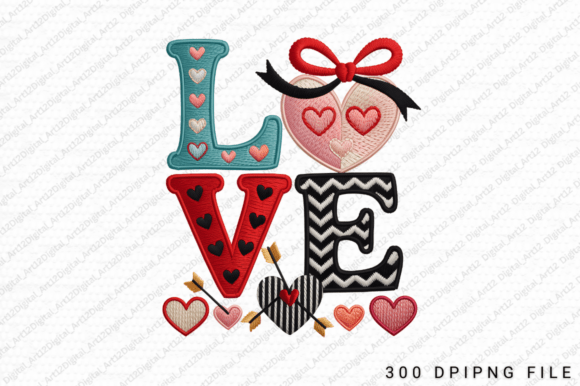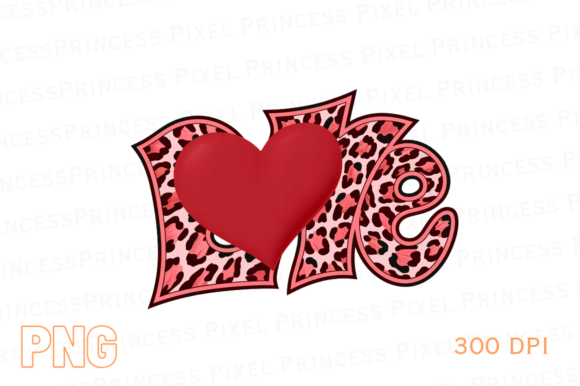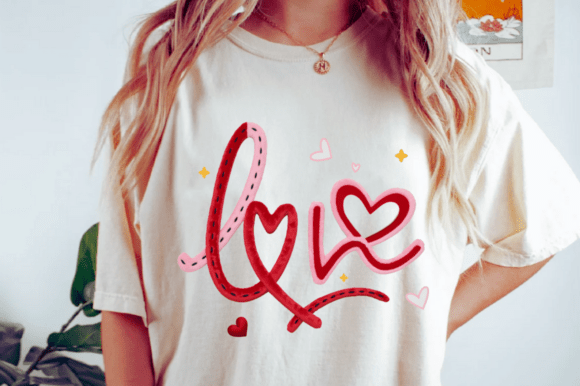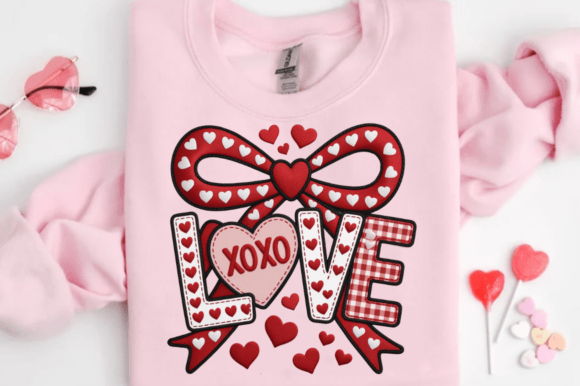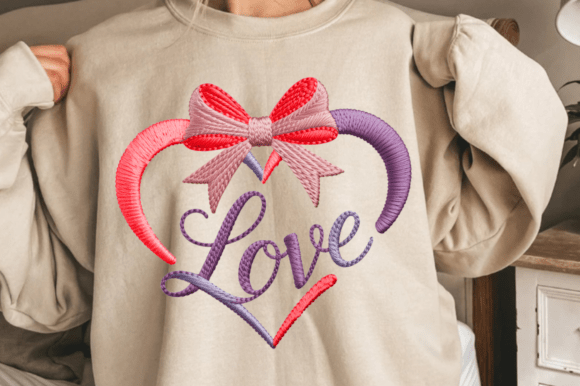
Romantic LOVE Embroidery PNG Design
Practical Uses Across Your Creative Business
- Baby embroidery: Stitched on burp cloths, milestone blankets, or onesie pockets—just ensure lettering remains legible at smaller scales.
- Wedding gifts: Embroidered onto monogrammed hand towels, guestbook pillows, or ring bearer pillow fronts for heirloom appeal.
- Family keepsakes: Personalized with names or dates on memory quilts or embroidered frames—its flowing script invites customization.
- Nursery decor: Works as standalone hoop art or layered beneath appliquéd clouds or stars for subtle storytelling.
- Embroidered towels & pillow covers: Performs well on terry cloth and linen blends when paired with medium-weight cutaway stabilizer.
- Blanket embroidery: Best placed on smoother sections (like minky backing or woven cotton), avoiding thick seams or textured edges.
- Aprons & totes: Adds quiet elegance to natural fiber kitchen or market bags—especially when stitched in tonal thread like blush pink on oatmeal canvas.
- Custom home decor: Ideal for shelf liners, coaster sets, or embroidered tea towels styled for social media mockups.
What to Watch For Before You Stitch
First, always create a test stitch-out. Even beautiful graphics behave differently once translated into thread. Small loops and fine serifs can blur or vanish if stitch density is too high or stabilizer too light. On stretchy baby clothes or textured towels, I recommend testing on scrap fabric that matches your final project’s weight and weave.
Second, review thread color contrast carefully. The design’s softness shines best with muted, harmonious palettes—think heather grey thread on ivory linen, or dusty rose on natural canvas. Avoid high-contrast combos unless intentional; stark black-on-white can mute its romantic tone.
Third, confirm hoop size and stabilizer needs. While the PNG itself doesn’t specify dimensions, its graceful flow suggests a 4x4" or 5x7" hoop will comfortably frame it. For dense fabrics like terry or fleece, use cutaway stabilizer. For lightweight knits, opt for tear-away plus light iron-on backing.
Lastly, inspect small details post-stitch. Delicate interior curves—especially in the “O” and “V”—can shift under tension. A quick press with low heat and a pressing cloth helps settle threads without flattening dimension.