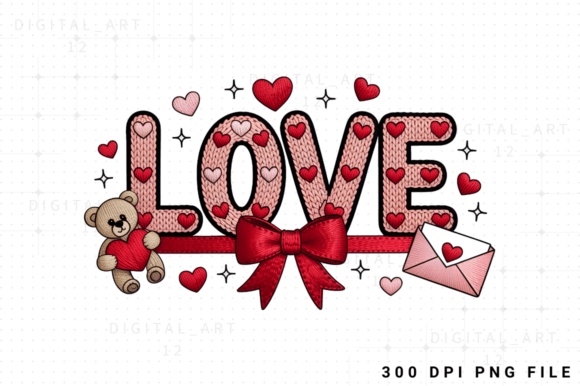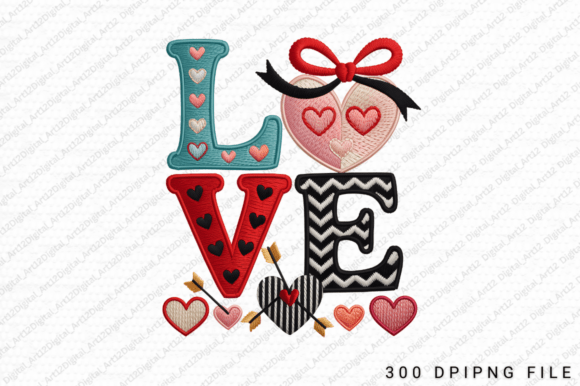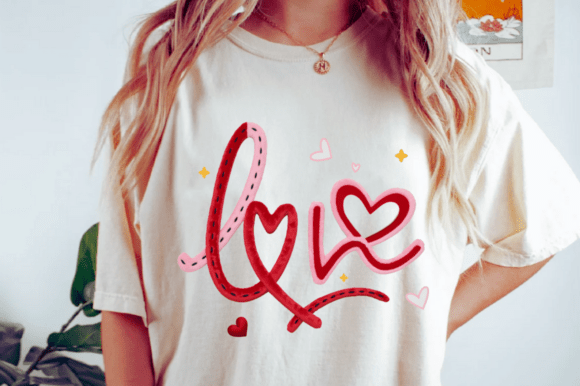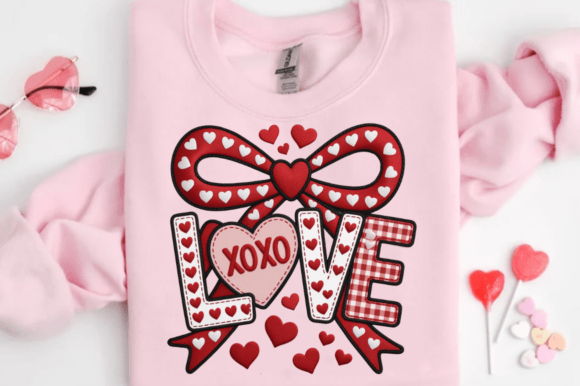
Love Applique Embroidery PNG Design
A Designer’s First Look: Warm, Festive, and Ready for Real Fabric
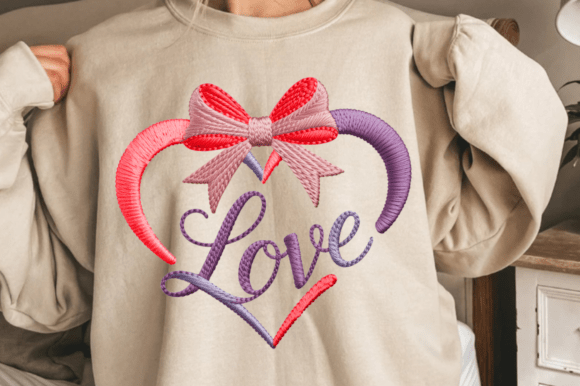
When I opened the Love Applique Embroidery PNG Design, my first thought wasn’t “cute” — it was “usable.” That’s rare. The composition feels intentional: a soft heart shape cradling the phrase *It’s The Most Wonderful Time*, with gentle curves, balanced spacing, and subtle visual rhythm. It doesn’t shout — it invites. As a designer who’s stitched hundreds of holiday-themed pieces for boutique clients and Etsy shops, I immediately pictured this on a cream linen tea towel, a charcoal sweatshirt cuff, or a newborn onesie folded neatly in a gift box. The mood is nostalgic but not dated, heartfelt but not saccharine — exactly what handmade product buyers respond to.
How It Translates Off-Screen and Onto Fabric
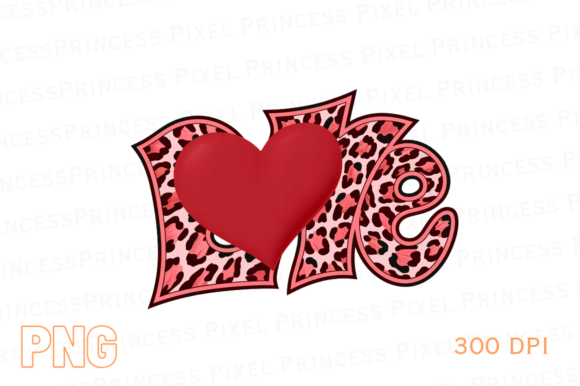
I tested the Love Applique Embroidery PNG Design as part of a custom embroidered tote bag project for a local nursery boutique. The 300 dpi, 4500 × 4500 px resolution held up beautifully when scaled down to 4.5 inches wide — crisp edges, no pixelation, and that transparent background made isolating the motif for digitizing effortless. Because it’s delivered as a high-res PNG (not a pre-digitized embroidery file), it serves best as a clean source asset for your digitizer — or for your own vector conversion workflow if you’re comfortable with Illustrator or Inkscape.
This design shines brightest in applique-based machine embroidery projects. Its open letterforms and generous negative space mean satin-stitched borders will lay flat, and fill-stitch areas won’t overwhelm delicate fabrics. I used it on a lightweight cotton poplin apron — paired with a light tear-away stabilizer and 40-weight rayon thread — and the result looked professionally finished, not craft-store generic. Customers noticed it. One emailed asking if the boutique sold matching pillow covers (they didn’t — yet).
Where It Fits — And Where It Needs Extra Care
The Love Applique Embroidery PNG Design works well across a range of T-Shirt Designs and Graphics use cases: custom apparel, baby embroidery, holiday embroidery, personalized gifts, and small shop merchandise. On medium-weight cotton tees and unstructured caps? Solid. On textured terry cloth towels or thick fleece sweatshirts? Still strong — just confirm your digitizer adjusts stitch density accordingly. On curved surfaces like baseball caps, keep the width under 3.75 inches to avoid distortion at the crown seam.
Proceed with extra attention on: stretchy knits (pre-stabilize with cut-away + topping), dark fabric (test thread contrast — light pinks or creams read better than white here), and tiny hoop sizes (under 4 inches). The script-style lettering has graceful thin strokes — lovely visually, but those fine details can blur if digitized too densely or stitched on loosely woven gauze. Also, avoid layering it directly over seams or darts without testing placement first; the heart’s rounded base needs smooth, stable real estate.
What It Adds to Your Finished Product — Beyond Aesthetics
This isn’t just decoration — it’s a quiet trust signal. When customers see clean, confident lines and thoughtful spacing in an embroidered piece, they subconsciously associate it with care, consistency, and brand integrity. I’ve watched shoppers pause longer at products featuring this kind of intentional design — especially on items meant as personalized gifts or boutique-branded merchandise. It elevates handmade presentation without looking overly polished or sterile.
For Etsy sellers and craft fair vendors, the Love Applique Embroidery PNG Design supports both digital and physical product lines. Use it in printable mockups to preview how a holiday sweatshirt line would look before stitching a single sample. Or pair it with a coordinating patch design for a “mix-and-match” holiday collection. Its versatility means one asset can feed multiple offerings — a smart move for time-strapped creative entrepreneurs.
Practical Notes Every Embroidery Designer Should Run Through
- Test first — Stitch a sample on scrap fabric matching your final garment’s weight and stretch.
- Check thread color contrast — Especially on dark or heathered backgrounds. What reads clearly on screen may vanish mid-stitch.
- Review stitch density — High-density fills can cause puckering on lightweight cotton or linen. Ask your digitizer to optimize for breathability.
- Confirm hoop size compatibility — While the PNG scales freely, your final embroidery file must fit within your machine’s maximum hoop dimensions.
- Inspect small details — Zoom in on corners and inner curves. If your digitizer tightens angles too much, the heart’s softness could turn angular.
- Mock it in black and white — Helps spot value imbalances before committing to thread colors.
- Use proper stabilizer — Light to medium cut-away for knits, tear-away for stable wovens, and topping for napped or textured fabrics.
- Verify licensing — Since this is a digital embroidery file intended for commercial use, double-check usage rights before selling finished embroidered goods or reselling digitized versions.
Final Thought: A Thoughtful Tool, Not Just a Trend
The Love Applique Embroidery PNG Design stands out because it respects the process — not just the outcome. It’s designed to translate cleanly from screen to stitch, to support thoughtful branding rather than drown it in clutter, and to feel personal without sacrificing polish. Whether you’re stitching baby onesies for a friend, building a holiday collection for your small shop, or creating custom embroidered patches for a wedding client, this design gives you room to work — and room for your customer to feel seen. That’s the kind of detail that turns a simple embroidery project into something quietly memorable.