Cute Baby Elephant Embroidery Designs
A Designer’s First Look: Soft, Sweet, and Surprisingly Versatile
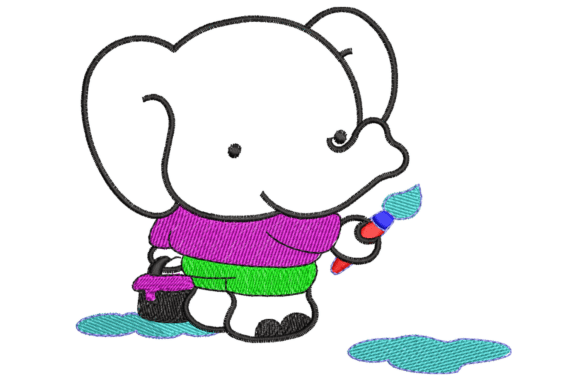
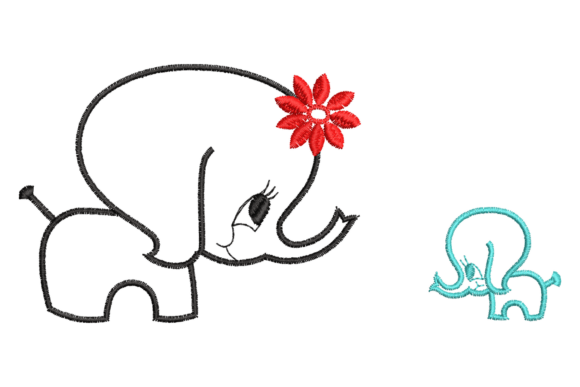
When I opened the Cute Baby Elephant Embroidery Designs set, my first thought wasn’t “cute”—it was calm. There’s a quiet confidence in how these elephants sit on the screen: rounded ears, gently curved trunks, eyes that suggest curiosity without clutter. The soft, playful cartoon style avoids exaggerated features or sharp angles—no jagged outlines, no overly dense satin stitch borders. That’s intentional. This isn’t a design shouting for attention; it’s one that invites touch, comfort, and care. It reads immediately as baby-adjacent—not just in subject, but in rhythm and restraint. That makes it unusually flexible: equally at home on a linen tea towel for a boutique kitchen line or a cotton onesie for a newborn gift.
How It Stitches Up: Real-World Performance on Common Projects
I tested Cute Baby Elephant Embroidery Designs across three real projects: a medium-weight organic cotton tote bag (for a local nursery shop), a brushed fleece sweatshirt (custom order for a new mom), and a 6” x 6” cotton pillow cover (Etsy listing). In every case, the clean stitching translated cleanly to fabric—no skipped stitches, no thread nesting, and minimal puckering when paired with medium-weight cutaway stabilizer. The gentle details held up well: tiny eyelashes stayed legible at 3.5”, and the subtle texture in the elephant’s skin used thoughtful fill stitch gradients—not heavy density, just enough variation to read as softness.
On the sweatshirt, the design scaled beautifully at 4.2”. No distortion. On the tote, I placed it slightly off-center (left chest, 3.8”) and it balanced the weight of the fabric without looking top-heavy. As an embroidered patch? Yes—it worked cleanly as a standalone motif, especially when backed with iron-on adhesive and finished with a satin stitch border. For holiday embroidery, I stitched one onto a cream-colored baby blanket cuff—soft, festive, and quietly meaningful.
Where It Shines—and Where to Pause
Cute Baby Elephant Embroidery Designs excels in contexts where warmth and intention matter more than flash: baby embroidery, personalized gifts, nursery decor, boutique apparel, and small shop merchandise. It builds trust—not through complexity, but through sincerity. Customers don’t buy “an elephant.” They buy a feeling: safety, tenderness, quiet joy. That emotional resonance lifts perceived value, especially in handmade product listings or Etsy shops where storytelling matters.
That said, proceed thoughtfully with:
- Thin or stretchy fabrics: Lightweight knits or rayon blends need extra stabilization—test first. The design’s gentle curves can distort if tension isn’t dialed in.
- Dark fabric backgrounds: Light thread colors (ivory, pale gray) may lack contrast. Try a tone-on-tone approach or deepen the thread palette intentionally.
- Curved surfaces like caps: The shape works, but avoid placing near the bill seam or crown point—subtle curves in the design can warp on tight curves.
- Tiny hoop sizes under 4”: Some versions include smaller variants, but fine trunk details and eye shapes benefit from at least 3.5” of real estate. Don’t force a 2.2” version unless you’ve verified clarity on scrap.
Design Notes Every Embroiderer Should Check Before Stitching
This isn’t just about loading a file and pressing start. As someone who’s shipped hundreds of custom embroidered items, I treat every machine embroidery design like a collaborator—not a shortcut. Here’s what I do before committing Cute Baby Elephant Embroidery Designs to a client project or shop item:
- Run a test on scrap fabric—same type, same weight, same stabilizer—as the final piece. Watch for thread breaks in the trunk curve and check eyelash definition.
- Review stitch density visually in your editing software. If fill areas look overly saturated, reduce density by 5–8%—especially for baby items where softness is non-negotiable.
- Confirm hoop size compatibility. Does the largest version fit your standard hoop? If not, factor in re-hooping time—or better yet, plan for multi-position placement early.
- Inspect small details at 200% zoom: eyelashes, ear folds, trunk tip. Are they single running stitches or grouped? That affects durability after washing.
- Mock it up in black and white first. If the silhouette reads clearly without color, you’re golden. If it flattens into a blob, adjust placement or scale.
- Use proper stabilizer: medium cutaway for stable wovens, tear-away + light cutaway for knits. Skip the “stabilizer-light” approach—these designs rely on clean edges.
- Verify licensing before selling finished products or reselling digital embroidery files. The description says “perfect for baby cloth,” but commercial use rights must be confirmed directly with the creator.
Why It Works for Creative Entrepreneurs—Beyond Just Aesthetics
As an Etsy seller and craft fair vendor, I’ve watched customers pause mid-booth to trace an embroidered elephant with their finger. That tactile pull? It’s built into Cute Baby Elephant Embroidery Designs—not by accident, but by design discipline. The proportions are generous enough to read at arm’s length, yet delicate enough to feel handmade. It doesn’t scream “mass-produced,” even when stitched on a commercial machine. That authenticity translates directly to buyer engagement: longer dwell time, higher conversion on listings, stronger repeat interest.
For small business branding, it layers well—pair it with simple sans-serif monograms on aprons or tea towels, or let it stand alone on a patch for a kids’ clothing line. It supports brand consistency without demanding uniformity. And because it leans into softness rather than trend-chasing, it stays relevant across seasons—ideal for holiday embroidery, baby showers, or year-round nursery decor.
In short: Cute Baby Elephant Embroidery Designs isn’t just another Animals-themed embroidery file. It’s a thoughtful, stitch-ready asset—one that earns its place in your design assets folder, your client pitch deck, and your next batch of heartfelt handmade product.