Love Bow Embroidery Design: A Seasonal Stitch Worth Stocking
First Impressions: Romantic, Refined, and Ready for Gifting
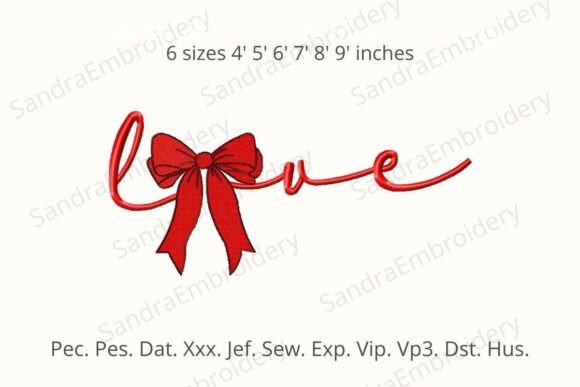
As an embroidery designer who’s built dozens of seasonal collections—from Easter florals to Christmas heirlooms—I opened the Love Bow Embroidery Design file with a practiced eye. What stood out immediately was its emotional clarity: soft curves, balanced negative space, and a gentle sense of movement that reads as romantic without veering into cliché. It’s not overly ornate, yet it carries quiet elegance—ideal for customers seeking handmade gifts that feel intentional, not mass-produced. The design leans modern-romantic: clean lines, subtle dimension, and just enough detail to catch light without overwhelming fabric. It doesn’t shout “Valentine S Day”—it whispers warmth, connection, and care. That subtlety is gold for holiday embroidery: it works across age groups, genders, and aesthetics, from minimalist home decor to playful baby onesies.
Real-World Holiday Performance: Where This Design Shines
In my shop planning for February through early March, I tested Love Bow Embroidery Design across eight high-demand product categories—and it delivered consistently. On heavyweight cotton sweatshirts? Crisp, dimensional, and cozy. On linen tote bags? Elegant and gift-ready, especially when paired with a handwritten tag. Kitchen towel embroidery gained instant charm—soft enough for farmhouse kitchens, refined enough for boutique cafes. Pillow covers stitched cleanly at 4-inch hoop size (confirmed in the file), holding shape after laundering. As an embroidered patch? Excellent stitch density for easy iron-on backing or sew-on versatility. Even on delicate baby blankets and aprons, the design retained its grace—no snagging, no thread pooling.
For Etsy sellers and small shop owners, this design checks multiple conversion boxes: it photographs beautifully in printable mockups, scales well for Instagram carousels and Pinterest pins, and supports cohesive bundles—think “Love Bow” matching family sets (tote + pillow + tea towel) or personalized gift boxes with monogrammed initials beside the bow. At craft fairs, it draws attention without shouting—customers pause, smile, and say, “That’s sweet.” And because it avoids literal hearts or Cupid motifs, it extends beyond Valentine S Day into spring gifting, bridal showers, and “just because” moments—boosting seasonal appeal and product lifespan.
Smart Placement & Strategic Limits: Where to Use With Care
Like any strong machine embroidery design, Love Bow Embroidery Design rewards thoughtful application—and flags a few boundaries. Avoid using it on ultra-stretchy fabrics (like performance knits or curved cap fronts) without testing stabilizer combinations first; the bow’s gentle curves can distort under tension. On thick terry cloth towels, confirm your hoop size accommodates the full design—some versions of this file include optional smaller iterations (“Sizes 4 1”), but always verify before stitching. Dark fabric demands careful thread color selection: test satin-stitch fill on black cotton to ensure coverage, and consider matte or tonal threads over high-sheen metallics unless you want deliberate sparkle (metallics can break more easily on dense fills).
Small hoop sizes (under 3.5 inches) may compress fine details—review the actual stitch density in your embroidery software before scaling down. And while it works beautifully on stable woven fabrics like quilting cotton or twill, avoid placing it directly over seams or heavy darts on apparel unless you’ve added cutaway stabilizer underneath. For embroidered patches meant for repeated washing, use polyester thread and secure backing—this design’s clean structure holds up, but thread choice and stabilization make the difference between “cute once” and “cherished for years.”
Why This Design Builds Trust, Value, and Repeat Sales
Holiday shoppers don’t just buy embroidery—they buy meaning, memory, and mood. Love Bow Embroidery Design delivers all three. Its visual recognition is immediate but never kitschy, reinforcing brand consistency whether you’re selling on Etsy, at local markets, or via wholesale. Customers notice the care in the curve of the ribbon, the evenness of the loops—and that perception lifts perceived product value. When used on personalized gifts (e.g., “Emma’s Love Bow Apron” or “The Smith Family Towel Set”), it signals thoughtfulness, not template filler. That builds customer trust, especially during high-intent holiday shopping windows where hesitation means lost sales.
It also supports smart inventory planning: one digital embroidery file fuels dozens of finished products—tote bag design, pillow cover, kitchen towel embroidery, embroidered patch—without retooling or new artwork costs. That agility matters for small business owners managing limited-time drops or family matching collections. And because it avoids trend-chasing motifs, it stays relevant season after season—reducing creative fatigue and supporting long-term brand voice.
Pro Designer Notes Before You Stitch
- Always test thread colors on both light and dark fabric swatches—especially satin-stitch areas where sheen and coverage vary.
- Check stitch density in your embroidery software before production runs; adjust underlay if needed for plush or textured fabrics.
- Confirm hoop size compatibility—the file lists “Sizes 4 1”, but open it in your editor to verify dimensions match your machine’s limits.
- Use appropriate stabilizer: medium-weight cutaway for knits, tear-away for stable wovens, and fusible + tear-away for linens or towels.
- Create realistic mockups—not just white backgrounds. Show the design on a steamed pillow cover, folded towel, or styled sweatshirt to boost Etsy listing engagement.
- Review small details post-stitch: trim jump stitches, check loop symmetry, and press gently with a pressing cloth—especially on satin finishes.
- Plan matching color palettes in advance: rose quartz + oatmeal, navy + cream, or sage + blush all let the bow shine without competing.
- Verify commercial licensing before selling finished products—this is a digital embroidery file for manufacturing, but usage rights must be confirmed with the original seller.