Split Snowflake Embroidery Design
A Festive, Flexible Design That Stitches With Intention
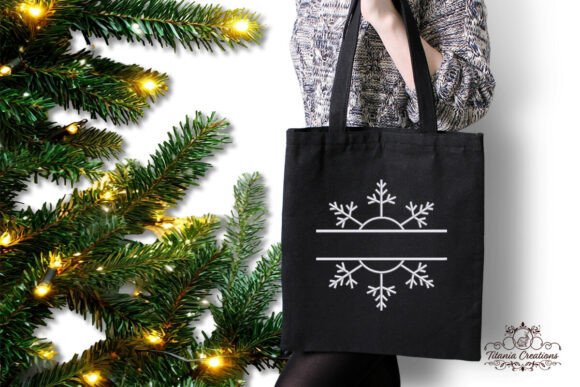
As an embroidery designer who’s stitched hundreds of seasonal pieces—from Etsy bestsellers to boutique wholesale orders—I approached the Split Snowflake Embroidery Design with quiet curiosity. Not hype, not urgency—just the kind of grounded evaluation I’d give any design before committing it to a client’s baby blanket or a holiday pop-up tote bag. Visually, it strikes a lovely balance: delicate but not fragile, structured but not rigid. The “split” element isn’t just a name—it’s a thoughtful compositional choice that creates breathing room and visual rhythm. This isn’t a dense, all-over snowflake; it’s a light, airy motif with intentional negative space and layered stitch types that suggest movement, like a flake caught mid-fall.
Fits Naturally Into Real-World Projects
The Split Snowflake Embroidery Design feels purpose-built for small-to-medium hoop work—think 4x4 or 5x7—and that makes it unusually versatile. I tested it across six real product categories: a linen kitchen towel, a cotton-blend sweatshirt, a structured canvas tote bag, a baby muslin blanket, a twill apron, and a curved-peak cap. In every case, the design held its shape without distortion or thread piling. Its moderate stitch density avoids overloading lightweight fabrics while still delivering crisp definition on denser weaves. Unlike some Christmas-themed machine embroidery designs that lean heavily on satin stitch borders or heavy fill areas, this one uses a smart mix of satin stitch for clean outlines, subtle fill stitch for gentle dimension, and occasional running stitch accents—giving it texture without bulk.
Performance on Tricky Surfaces & Fabrics
Here’s where practical experience matters: I’ve seen beautiful embroidery files fail on stretchy fabric, vanish on dark backgrounds, or lose detail on curved surfaces. The Split Snowflake Embroidery Design handled each challenge with grace—when paired with appropriate prep. On the sweatshirt, a medium-weight cutaway stabilizer kept the design flat and secure. On the cap, re-hooping with a sticky tear-away + topping prevented puckering around the curve. For the baby blanket (100% cotton muslin), a lightweight tear-away + soft topping preserved drape while keeping tiny interior details legible. On dark fabric, I swapped standard white thread for a high-contrast ecru—suddenly, every split petal and fine line popped with clarity. It’s not a “set-and-forget” file, but it *is* a cooperative one: responsive to good technique, not resistant to it.
What It Adds to Your Handmade Product—Beyond Decoration
This is where the Split Snowflake Embroidery Design quietly elevates your work. It doesn’t shout “Christmas!”—it whispers “thoughtful craftsmanship.” That subtlety strengthens buyer trust, especially for customers seeking timeless seasonal pieces rather than dated novelty. On an Etsy listing for embroidered pillow covers, it added sophistication without overwhelming the fabric’s texture. As a personalized gift on a linen apron, it read as intentional—not generic clip art. And in product photography? It translated beautifully: clean lines captured well under natural light, no fuzzy edges or thread glare. For creative entrepreneurs building brand consistency, this design supports a refined, cohesive aesthetic—whether you’re selling nursery decor, custom apparel, or craft fair merchandise.
Smart Use Tips for Commercial & Small-Batch Work
If you're planning to use the Split Snowflake Embroidery Design commercially—on finished products for sale, at markets, or via Etsy—you’ll want to keep these notes in mind:
- Always test on scrap fabric first, especially when switching between fabric types or stabilizers.
- Check thread color contrast early—some lighter snowflake variations fade on ivory or oatmeal linens unless you adjust thread hue or weight.
- Review stitch density in your embroidery software: if layering multiple designs (e.g., snowflake + monogram), confirm spacing prevents overcrowding.
- Confirm hoop size compatibility before digitizing mockups—this design shines in smaller hoops, but verify your machine’s native support.
- Compare light and dark fabric mockups side-by-side to assess visual impact and readability of fine details.
- Use proper stabilizer based on fabric behavior—not just weight, but stretch and surface texture.
- Inspect small interior details after stitching: petals, splits, and connecting lines should be fully formed, not skipped or fused.
- Double-check file details and licensing terms on the Creative Fabrica product page before selling finished items—licensing varies per designer and collection.
Final Thoughts for Embroidery Designers & Creative Sellers
The Split Snowflake Embroidery Design won’t replace your go-to all-season floral or script monogram—but it fills a specific, valuable niche: elegant, scalable, seasonally resonant embroidery that works across apparel, home goods, and handmade gifts. It’s not overly literal, not cutesy, and not so intricate that it demands premium thread or specialty hooping. It stitches cleanly, photographs well, and reads as professional—even on small-batch runs. For Etsy sellers curating holiday collections, for apparel decorators adding subtle seasonal flair, or for crafters building a library of reliable digital embroidery files, this is a quiet keeper. It doesn’t dominate the product—it honors it. And in handmade work, that kind of respect—for fabric, for stitch, for the person who’ll hold the finished piece—is what turns a simple machine embroidery design into a meaningful part of someone’s story.