Frontier Hunter Embroidery Design
A Seasonal Designer’s First Impression
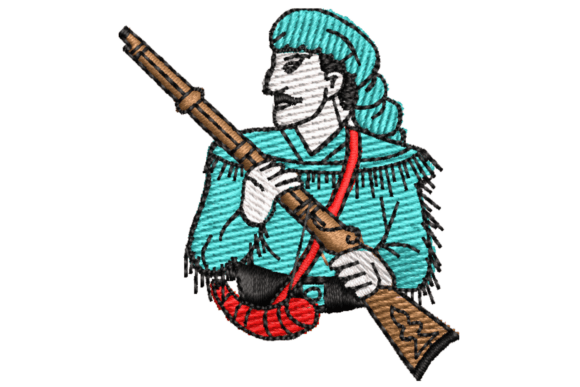
The Frontier Hunter Embroidery Design lands with quiet confidence—not loud or flashy, but deeply evocative. From the first glance at the digital embroidery file, it reads as nostalgic, rustic, and warmly cozy. This isn’t a cartoonish frontiersman—it’s a grounded, historically resonant figure in suede clothing with delicate fringes, thoughtful posture, and subtle texture cues that suggest wind-worn authenticity. The mood is calm, self-reliant, and gently celebratory—perfect for autumn gatherings, Thanksgiving table linens, or rustic holiday gifting. It doesn’t scream “Christmas,” but it whispers “home,” “heritage,” and “handmade care”—qualities that elevate seasonal embroidery far beyond trend-chasing.
Where It Shines: Real Holiday Product Applications
This machine embroidery design excels where storytelling meets utility. On heavyweight cotton sweatshirts or flannel-lined hoodies, the Frontier Hunter Embroidery Design adds heirloom weight—ideal for family matching sets sold as personalized gifts before Thanksgiving or Christmas. As a tote bag design, it transforms everyday carry into conversation-starting charm at craft fairs or farmers’ markets. For kitchen towel embroidery or pillow cover projects, its balanced detail holds up beautifully without overwhelming the item’s function.
It also works elegantly on embroidered patches—great for holiday gift bundles (think: patch + iron-on guide + mini hoop). As a small shop product, it lends itself to printable mockups for Etsy listings: imagine it stitched onto a vintage-style apron beside mason jars of spiced cider mix, or centered on a linen table runner for harvest dinners. Social media previews gain instant warmth when the Frontier Hunter Embroidery Design appears on neutral-toned baby onesies or toddler overalls—softening its ruggedness into gentle, heritage-inspired charm.
Where to Proceed Thoughtfully
Like any detailed seasonal embroidery, the Frontier Hunter Embroidery Design demands intentionality—not limitation. Its layered fringes and fine line work mean stitch density matters. Avoid using it on ultra-thick terry cloth towels unless you’ve tested stabilizer combinations (cutaway + tear-away hybrid recommended). On dark fabric, confirm thread colors contrast clearly—especially around facial features and fringe edges—or the emotional resonance fades.
Don’t force it into tiny hoop sizes (under 4” diameter) without verifying clarity in final stitching—small details like belt buckles or fringe separation may blur. Skip stretchy garments (like ribbed knit caps) unless you’re using lightweight, low-density fill techniques and high-quality cutaway stabilizer. And while it reads beautifully on flat surfaces—pillow covers, ornaments, table linens—curved caps or tight-fitting baby hats require careful digitizing adjustments not guaranteed in the base embroidery file.
Seasonal Appeal & Buyer Psychology
Holiday shoppers don’t just buy designs—they buy feeling. The Frontier Hunter Embroidery Design taps into a growing desire for meaningful, non-generic handmade gifts. It signals craftsmanship, intention, and narrative—making finished products feel more personal and premium. That perception directly lifts perceived value: a $28 kitchen towel with this design sells more confidently than one with generic snowflakes.
For Etsy sellers and small business owners, it builds visual recognition across collections—pair it with earth-tone thread palettes (ochre, charcoal, saddle brown, cream) and consistent packaging, and customers begin associating your brand with curated, story-driven seasonal embroidery. It also invites engagement: shoppers tag friends (“This reminds me of Grandpa’s cabin!”), share mockups organically, and return for matching items—boosting lifetime customer value during peak shopping windows.
Practical Designer Notes for Holiday Production
- Always test thread colors on both light and dark fabric swatches—what reads warm on ivory may vanish on navy.
- Check stitch density before bulk production; dense fills increase wear risk on frequently washed items like aprons or baby onesies.
- Confirm hoop size compatibility with your primary machines—and whether the Frontier Hunter Embroidery Design fits your most-used hoops without re-hooping mid-stitch.
- Use proper stabilizer matched to fabric texture: cutaway for knits, tear-away for stable wovens, and fusible + tear-away for lightweight linens.
- Create realistic mockups—not just white-background PNGs. Show it stitched on a real sweatshirt draped over a wooden chair, or on a folded kitchen towel beside dried lavender.
- Review small details post-stitch: fringe tips, facial expression, and fringe flow should remain distinct—not fused or fuzzy.
- Plan matching color palettes across your seasonal collection: if you use rust thread here, echo it in coordinating holiday embroidery like pinecone motifs or woven blanket borders.
- Verify commercial licensing before selling finished products—this is essential for Etsy sellers, craft fair vendors, and apparel decorators offering custom sweatshirt embroidery.
Final Thoughts for the Seasonal Shop Builder
The Frontier Hunter Embroidery Design isn’t just another sports-themed embroidery file—it’s a quiet anchor for a cohesive, emotionally resonant holiday collection. It bridges nostalgia and modern handmade values without leaning into cliché. Whether used on a limited-edition pillow cover drop, bundled as part of a “Heritage Kitchen Set,” or featured in a social media campaign around slow-gift-giving, it performs with integrity and warmth.
As an experienced embroidery designer building real seasonal inventory, I’d place this design early in my holiday lineup—not because it’s flashy, but because it’s trustworthy. It supports storytelling, scales across product types, and deepens customer connection when executed with care. For anyone curating digital embroidery files for holiday sales, the Frontier Hunter Embroidery Design earns its place—not as filler, but as foundation.