Love Letter Envelope Machine Embroidery
A Thoughtful First Impression for Boutique Apparel Designers
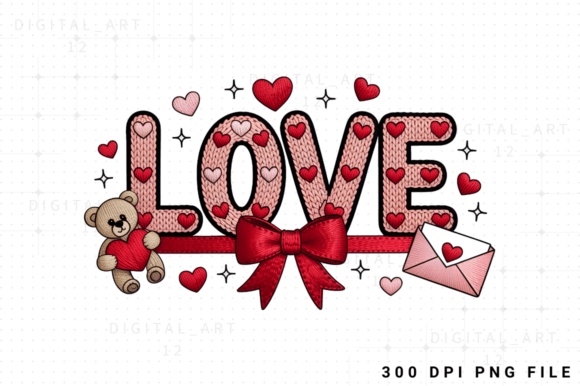
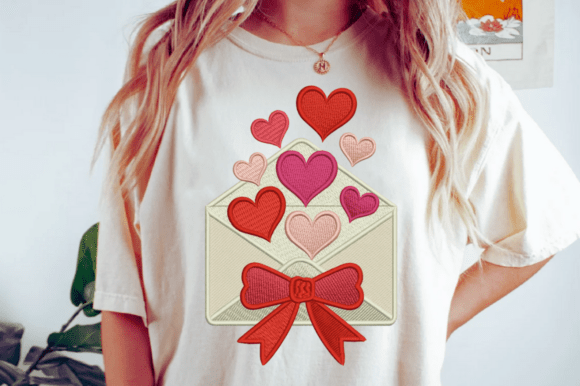
As an embroidery designer who’s developed collections for small clothing brands and Etsy sellers over the past decade, I opened Love Letter Envelope Machine Embroidery expecting charm—and found something more: quiet intentionality. Though listed under T-Shirt Designs and categorized as Graphics, this isn’t a flat vector meant for screen printing. It’s a machine embroidery design built with narrative warmth—soft curves, delicate envelope folds, and subtle script that reads like a handwritten note tucked into a linen sleeve. Visually, it leans feminine and classic, not trendy or minimal. There’s no aggressive contrast or bold outline; instead, it relies on stitch layering and thoughtful spacing to convey delicacy. That makes it ideal for boutique apparel where emotional resonance matters as much as aesthetics.
How It Performs Across Sweatshirt & Hoodie Projects
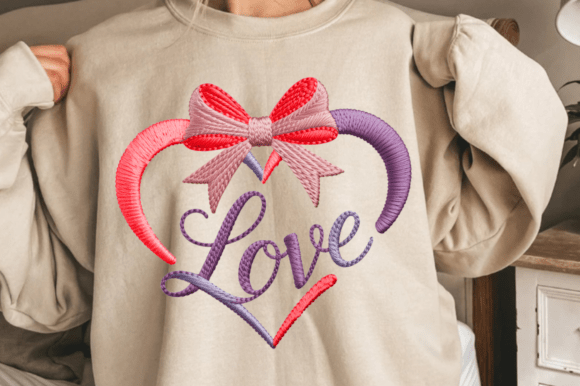
For sweatshirt embroidery, the Love Letter Envelope Machine Embroidery shines in chest placement—especially on neutral heathers, oatmeals, and soft greys. Its balanced proportions (neither too tall nor too wide) sit comfortably above the left pocket without crowding seams. On oversized hoodies, I’d recommend scaling down 5–8% to preserve clarity—dense stitch areas like the envelope flap hold up well, but only if stabilizer supports the fabric’s loft. For hoodie design, avoid placing it directly over ribbed cuffs or hems unless you’ve tested stitch tension on that exact knit. The script detail remains legible at 3.5" width, but tiny lettering can blur on fleece-backed fabrics without proper cutaway stabilizer.
Smart Placement Options Beyond the Chest
- Sleeve accents: Works beautifully on the upper bicep of relaxed-fit sweatshirts—adds personality without overwhelming.
- Back designs: When centered below the collar, it creates a quiet focal point, especially on dark garments where thread color contrast becomes intentional storytelling (think blush pink thread on charcoal).
- Tote bag design: Translates seamlessly—its clean lines read well at larger scales on canvas or cotton duck, and the transparent background in the included PNG file simplifies mockup prep.
- Denim jackets: Use medium-weight tear-away stabilizer and test thread sheen—matte cottons highlight texture better than high-sheen polyesters here.
Visual Consistency & Brand Identity Lift
What sets Love Letter Envelope Machine Embroidery apart for custom apparel is its ability to reinforce brand voice—not just decorate. If your boutique brand centers around slow living, heartfelt gifting, or nostalgic femininity, this design deepens that message without saying a word. It doesn’t scream “sale” or “limited time”—it whispers “thoughtfully made.” That builds buyer trust, especially among customers who scroll past dozens of logo-heavy tees daily. On Etsy listings, pairing it with warm-toned printable mockups and lifestyle photography (e.g., a folded sweater draped over a wooden chair, envelope motif subtly visible) elevates perceived value instantly. It also encourages repeat engagement: customers tag friends saying, “This feels like *my* love note.”
Practical Notes Every Embroidery Designer Should Check
Before digitizing or stitching, treat Love Letter Envelope Machine Embroidery like any commercial embroidery asset—verify what you’re actually getting. The product description confirms you’ll receive 1 PNG file at 300 dpi, 4500 x 4500 px, with transparent background. That’s excellent for mockups and resizing—but remember: a high-res PNG isn’t a native embroidery file. You’ll need to digitize it yourself or hire a digitizer familiar with stitch density control for curved surfaces. Here’s what I always do:
- Test on scrap fabric matching your target garment’s weight and stretch.
- Confirm stabilizer choice: Cutaway for knits, tear-away for stable wovens, and fusible + tear-away combo for ribbed neckbands.
- Review thread color contrast—especially for light script on dark apparel. A single-tone fill may vanish; consider split-thread shading for depth.
- Check hoop size requirements before production—some envelope motifs demand larger hoops to avoid re-hooping mid-stitch.
- Inspect stitch density in tight corners—the flap edge and seal area must be dense enough to prevent fraying but not so heavy it puckers fleece.
- Compare placement options across garment types: chest, sleeve, back, and even pocket flaps yield dramatically different moods.
- Verify licensing terms on Creative Fabrica before selling finished apparel—some digital embroidery files restrict commercial use unless upgraded.
Where This Design Fits Best—and Where to Proceed With Care
Love Letter Envelope Machine Embroidery excels on stable, medium-weight fabrics: cotton-blend sweatshirts, structured totes, lightweight denim, and smooth t-shirts. It’s less forgiving on highly stretchy performance knits or textured bouclé unless stabilized aggressively. Avoid curved surfaces like shoulder seams or deep V-necks unless you’ve adjusted underlay stitches manually. And while the transparent background makes it easy to drop into design software, don’t assume automatic digitizing tools will honor its organic flow—hand-guided pathing preserves its handwritten soul.
Final Thoughts for Small Shop Product Development
If you’re building a small shop product line around seasonal gifting, self-care messaging, or cozy lifestyle branding, Love Letter Envelope Machine Embroidery is more than decoration—it’s a quiet anchor. It pairs naturally with minimalist typography, earthy thread palettes, and unbleached natural fabrics. Used intentionally, it helps your handmade product stand out in crowded feeds and reinforces why customers choose authenticity over algorithm-driven trends. Just remember: great Creative Fabrica embroidery starts with thoughtful preparation—not just pretty files. Test, refine, and let the envelope open slowly.