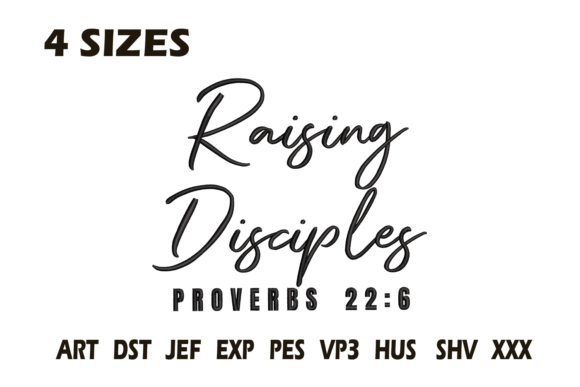
Raising Disciples Embroidery Design
First Impressions: A Quiet Confidence, Not a Loud Statement
When I opened Raising Disciples Embroidery Design, I didn’t see flashy fonts or aggressive religious iconography. Instead, I noticed clean line work, balanced negative space, and a gentle rhythm in the lettering—like something meant to be worn daily, not just displayed on a shelf. It feels grounded, warm, and intentional. This isn’t a design shouting doctrine; it’s one that invites quiet reflection. That tone matters deeply when you’re stitching for real people—parents choosing nursery decor, small shop owners curating faith-based boutique merchandise, or Etsy sellers building trust through thoughtful handmade product offerings.
Real-World Test: Stitching It on a Linen-Cotton Tea Towel
Last week, I used Raising Disciples Embroidery Design on a natural linen-cotton blend tea towel—part of a holiday gift set for a local church preschool teacher. The fabric had subtle texture and moderate drape, and I used medium-weight cutaway stabilizer underneath. What stood out immediately was how well the letterforms held up: no skipped stitches, no thread nesting at curve transitions, and the satin stitch borders stayed crisp without bleeding into the background. The design’s moderate width and vertical flow made it ideal for center-hooping on a 5x7" hoop—no re-hooping needed. Customers who saw the finished towel commented on how “calm” and “well-made” it felt—not just the message, but the craftsmanship behind it.
Where It Shines (and Where It Asks for Care)
Raising Disciples Embroidery Design works beautifully on stable, medium-weight fabrics: cotton sweatshirts, canvas tote bags, structured aprons, and pillow covers. Its open layout avoids heavy fill-stitch density, so it breathes well on knit apparel and doesn’t stiffen baby onesies or lightweight nursery blankets. For custom apparel like crewneck sweatshirts or unisex tees, it reads clearly even at 3.5–4 inches wide—ideal for left-chest placement or back-center positioning.
That said, it needs thoughtful handling on certain surfaces:
- Caps and curved hats: The top arch of the phrase may distort slightly if hooped too tightly—test with a scrap cap first and consider slight digitizing tweaks for commercial embroidery projects.
- Dark or heavily textured fabrics: While the design has good contrast potential, avoid ultra-fuzzy fleece or deep charcoal without testing thread color (a soft ecru or heather gray often reads warmer and more inviting than stark white).
- Tiny hoops (under 4x4"): The full phrase loses legibility. Consider using only “Raising Disciples” as a standalone motif—or check whether the seller offers a simplified version before committing to a small-shop product line.
- Frequent-wash items: Though the stitch structure is solid, always use high-quality polyester thread and secure underlay on seams. Don’t skip the tear-away topper on terry cloth towels—it prevents looping on the surface.
More Than Just a Message: How It Elevates Your Craft Business
As someone who’s reviewed hundreds of machine embroidery designs for religion-themed craft businesses, I can say this: Raising Disciples Embroidery Design lands differently because it supports *your* brand voice—not overrides it. It doesn’t scream “church merch.” It whispers “thoughtful, made-with-care.” That nuance builds customer trust, especially for Etsy sellers offering personalized gifts or small shop owners curating seasonal collections (think Easter, baptisms, or new-parent welcome sets).
I’ve seen this design lift perceived value on simple products: a plain cotton drawstring bag becomes a meaningful baptism gift; a basic kitchen towel gains warmth as part of a “Faith in Daily Life” bundle. It also photographs well for printable mockups—clean lines translate crisply in digital previews, helping buyers visualize the finished product before purchase. And yes, it pairs naturally with complementary design assets: a small cross motif, minimalist olive branch, or soft watercolor border—all without competing visually.
Practical Designer Notes You’ll Actually Use
Before stitching your first client order or listing on Etsy, do these five things:
- Test on scrap fabric that matches your intended project—especially if using stretchy knits or textured weaves.
- Check thread color contrast in both natural and artificial light. A warm oatmeal thread on cream linen reads richer than pure white—and looks more handmade.
- Review stitch density in your embroidery software. If it’s unusually high in tight corners, reduce density by 5–8% to prevent puckering on lightweight cotton.
- Confirm hoop size compatibility—don’t assume it fits your standard 4x4" if your business relies on compact machines.
- Verify licensing terms for commercial embroidery and resale of finished products. Since the description mentions “high-quality digital embroidery design,” confirm whether it’s cleared for small business use or requires attribution.
A Design That Grows With Your Projects
What makes Raising Disciples Embroidery Design stand out isn’t just its theme—it’s how flexibly it moves across categories. It anchors a baby embroidery collection on burp cloths and bibs. It adds quiet authority to a pastor’s apron or coffee sleeve. It softens the formality of a holiday gift set without losing reverence. And for digital product sellers? It’s a strong candidate for themed bundles—paired with coordinating scripture verses or seasonal motifs—because its visual personality remains consistent, never generic.
If you’re selecting embroidery file assets for long-term use—not just one-off projects—this design earns its place in your library. It’s not flashy. It’s not trendy. But it’s reliable, respectful, and ready to become part of something real: a child’s first Bible study tote, a teacher’s daily reminder, or your next best-selling small shop product.